
Anaphylaxis & Allergy Training for Schools & Carers
This online Anaphylaxis and Allergy Training Course is designed for anyone who cares for children. Online anaphylaxis training is ideal for those who work in schools, as well as parents, guardians, youth workers, and childminders. It offers practical guidance on allergy management and explains how to offer comprehensive support to children with allergies. It’s also CPD accredited & IIRSM approved.


It’s estimated that 50% of children in the UK now have an allergic condition and between 6 and 8% of children also have a food allergy
- Health & Safety
- 40 languages
- 40m
Learning outcomes
-
Understand what allergies are and how they can affect children
-
Know how to recognise mild and moderate allergic reactions, and the signs of anaphylaxis
-
Know the step-by-step emergency procedure in response to anaphylaxis
-
Understand the role of Individual Healthcare Plans and Allergy Action Plans
-
Understand how allergy safety sits alongside wider responsibilities for supporting pupils with medical conditions
-
Understand how Benedict’s Law supports a whole-school approach to allergy safety
Covered in this course
Course contents
This training course is broken down into 5 sections
- 1Allergies
- 2Allergy Management
- 3Anaphylaxis
- 4Allergy Safety in School Life
- 5Conclusion

Section 1
In this section we explain what an allergy is and how it’s caused. We discuss how an allergic reaction works and the signs to look out for. We also explain what an allergen is, including the most common allergens for children.
Section 2
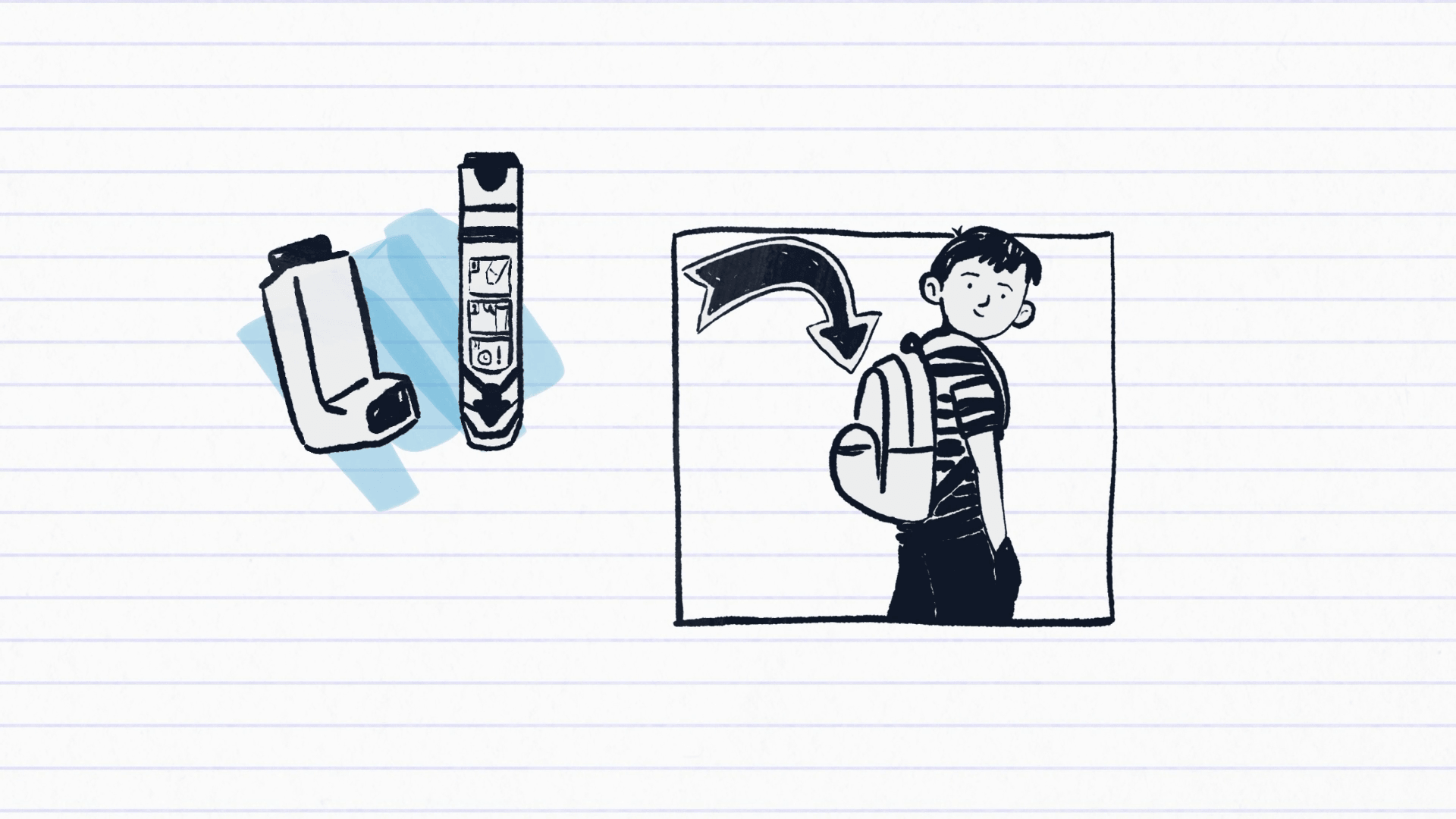
Here we discuss allergy management, histamine and antihistamine, as well as the importance of avoiding allergens and having an Individual Healthcare Plan. We also explain how to treat mild and moderate allergic reactions.
Section 3
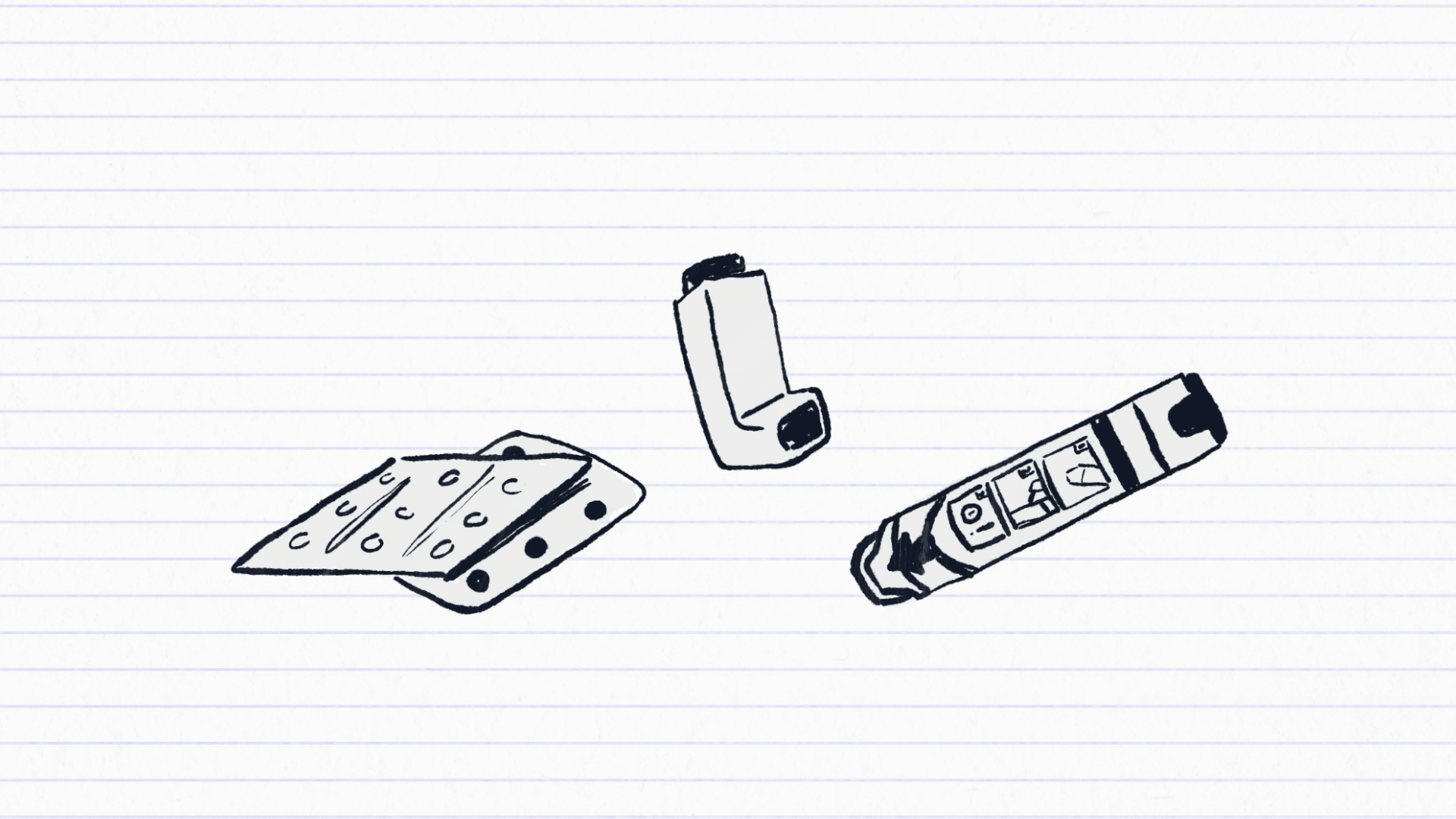
This section comprehensively covers anaphylaxis and anaphylactic shock. We describe what it is, how to recognise it, and how to treat a child who has an anaphylactic episode. We explain the importance of adrenaline auto-injectors, how to administer them, and when. This section also contains an extensive emergency procedure, including the recovery position and CPR.

Section 4
In this section we discuss school policy and how to look after, store and carry medication. We also highlight staff responsibilities in the classroom, when cooking, at lunchtime, on school trips, and during exams and sports lessons.
About this course
Children with allergies MUST avoid their allergens continuously. It’s the only way to guarantee their safety and well-being.
This Anaphylaxis and Allergy Training Course has been written for people who care for children with allergies. It explains how allergies are triggered, what to look out for with allergic reactions, and how to monitor and treat children with allergies.
It covers allergens, preventative measures, what to do in emergencies and cases of anaphylaxis, and it discusses both the practical and emotional support a child may need on a daily basis.
It’s estimated that 50% of children in the UK now have an allergic condition of some sort and whilst some can be much less dangerous than others, all must be taken seriously, especially in schools. Between 6 and 8% of children in the UK also have a proven food allergy, meaning the chances of these children having an anaphylactic shock are very high. Due to the high number of children now having allergic conditions, allergy and anaphylactic shock training are becoming essential for those working in childcare.
Our other courses tailored to those working in schools or childcare include Children with Diabetes, Children with Epilepsy and Children with Asthma.
Are you an IIRSM member? Enjoy a 10% discount on all of our IIRSM Approved courses!

Presented by
Other people also bought
The importance of Anaphylaxis & Allergy Training for Schools & Carers
It's important that you comply with the law and understand the positive impact this training course can have on your organisation and employees.
Find out moreAvailable in 40 languages
All inclusive
Machine translated* content is included for free with all our popular courses
It covers LMS navigation, course transcripts and test questions. If you don’t see a course listed in the language you require, just let us know.
*Content which is not English may be machine translated and is for assistive purposes only. We cannot guarantee the accuracy of translations.
Our most popular languages
Anaphylaxis & Allergy Training certificate
Download and print
Each of our courses ends with a multiple-choice test to measure your knowledge of the material.
This Allergy & Anaphylaxis Training for Nurses, Carers and Schools course concludes with a 15-question multiple choice test with a printable certificate. In addition, brief in-course questionnaires guide the user through the sections of the training and are designed to reinforce learning and ensure maximum user engagement throughout.
As well as printable user certificates, training progress and results are all stored centrally in your LMS (Learning Management System) and can be accessed any time to reprint certificates, check and set pass marks and act as proof of a commitment to ongoing legal compliance.
What does my certificate include?
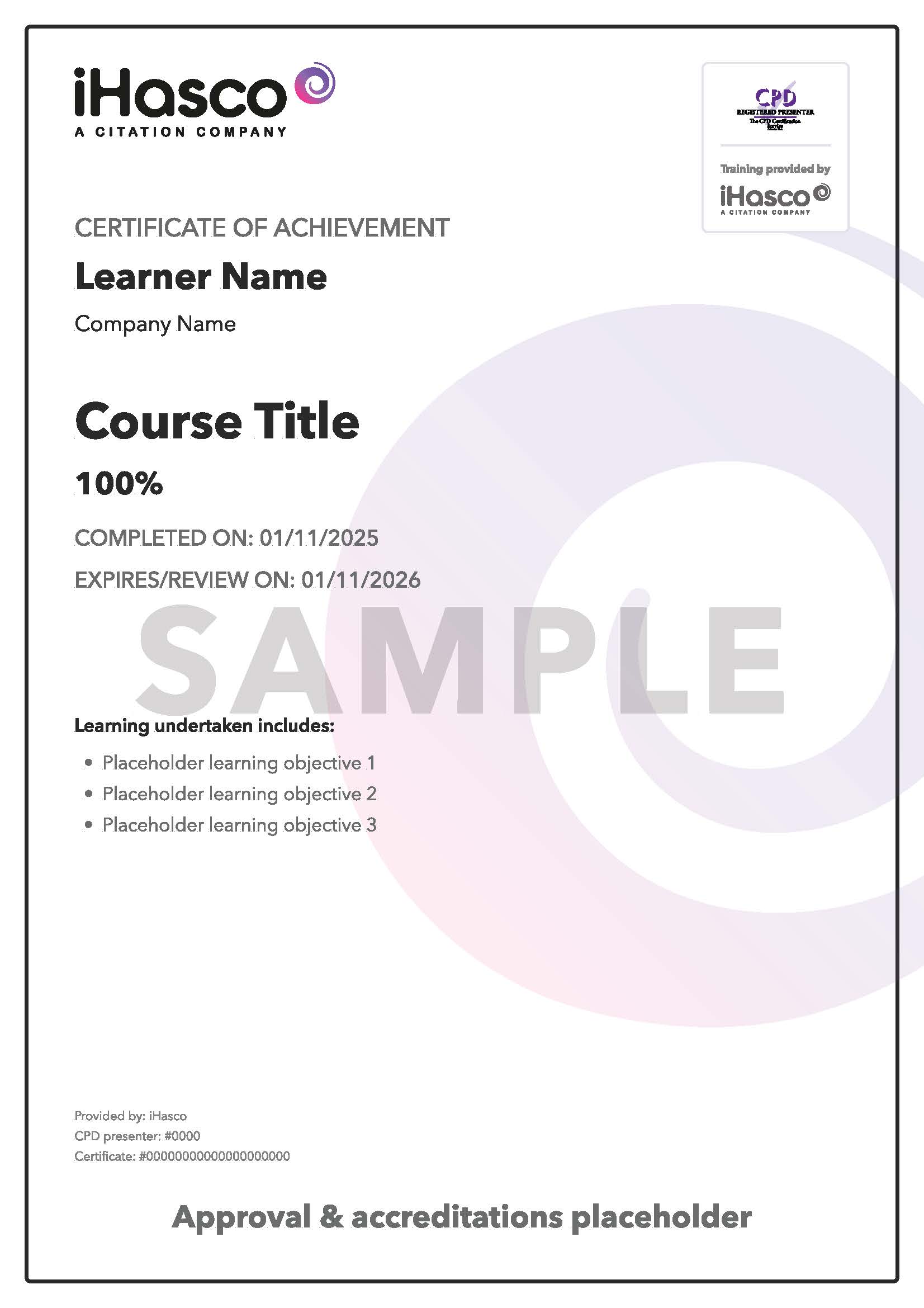
Your Anaphylaxis and Allergy Training Certificate includes your name, company name (if applicable), name of course taken, pass percentage, completion date, expiry date and stamps of approval or accreditations by recognised authorities.
Please note if you are using our course content via SCORM in a third party LMS then we are unable to provide certificates and you will need to generate these in your host LMS yourself.
251 real user reviews
4.8
out of 5
Loading reviews…
Excellent – made me think and understand this issue
This user gave this course a rating of 5/5 stars
Really great course, I enjoyed doing it.
This user gave this course a rating of 5/5 stars
5
I found it very interesting and I think we should all be aware of how to help
Interesting and informative
It was good to learn about Benedicts law, and the training I have received has been very insightful and rewarding.
concise .clear,
The training was clear , concise and detailed ensuring important information was given and how to identify reactions, anaphylaxis and how to respond in an emergency .
Excellent
Chef training
Good
Chef
Very useful reminder and update
Only 1 point don’t remember the course saying make sure pockets etc are empty before using auto injector. It was always something we had to watch for in the army where we carried them for an antidote to chemical agents
Why is this training important?
Compliance
It’s important that you comply with the law and know the ways in which it affects you and the way you work.
This course is ideal for anyone who cares for children who have food allergies. This training is particularly helpful for anyone who works with children, in either a care or education setting.
The course covers different allergens, how to prevent an allergic reaction and what to do in an emergency. By following our step-by-step emergency anaphylaxis procedure and using our effective care plans, you will be able to keep the children in your care safe and protected.
The Anaphylaxis & Allergy Training focuses on maintaining children’s health, safety and wellbeing.
Online anaphylaxis training FAQs
-
This online anaphylaxis training course is 40 minutes long.
-
Yes, this course is both IIRSM-approved & CPD-accredited. We’re also a Skills for Care Endorsed Learning and Development Provider.
-
There are many reasons why this type of training is crucial, including:
- Protects children’s health
- Reduces risk of exposure
- Better able to manage children’s allergies
- Creates a safe environment
-
According to the NHS, anaphylaxis is a life-threatening allergic reaction that happens very quickly. It can be caused by food, medicine or insect stings.
Related articles

HR Compliance
Benedict's Law: What schools need to know ahead of September 2026
Last updated 12 Aug 2026


