
Anaphylaxis & Allergy Training for Schools & Carers
Around one in five children and young people with an allergy have their first allergic reaction at school, according to the DfE’s statutory guidance, Allergy Safety in Schools. Our online Allergy & Anaphylaxis Training course teaches school staff how to spot an allergic reaction, recognise anaphylaxis and respond quickly, whatever their role. It’s been updated for Benedict’s Law, and it’s CPD accredited and IIRSM approved. It also suits early years staff, youth workers, childminders, parents and carers.


It’s estimated that 50% of children in the UK now have an allergic condition and between 6 and 8% of children also have a food allergy
- Health & Safety
- 40 languages
- 40m
Learning outcomes
-
Understand what allergies are and how they can affect children
-
Know how to recognise mild and moderate allergic reactions, and the signs of anaphylaxis
-
Know the step-by-step emergency procedure in response to anaphylaxis
-
Understand the role of Individual Healthcare Plans and Allergy Action Plans
-
Understand how allergy safety sits alongside wider responsibilities for supporting pupils with medical conditions
-
Understand how Benedict’s Law supports a whole-school approach to allergy safety
Covered in this course
Course contents
This training course is broken down into 5 sections
- 1Allergies
- 2Allergy Management
- 3Anaphylaxis
- 4Allergy Safety in School Life
- 5Conclusion

Section 1
In this section we explain what an allergy is and how it’s caused. We discuss how an allergic reaction works and the signs to look out for. We also explain what an allergen is, including the most common allergens for children.
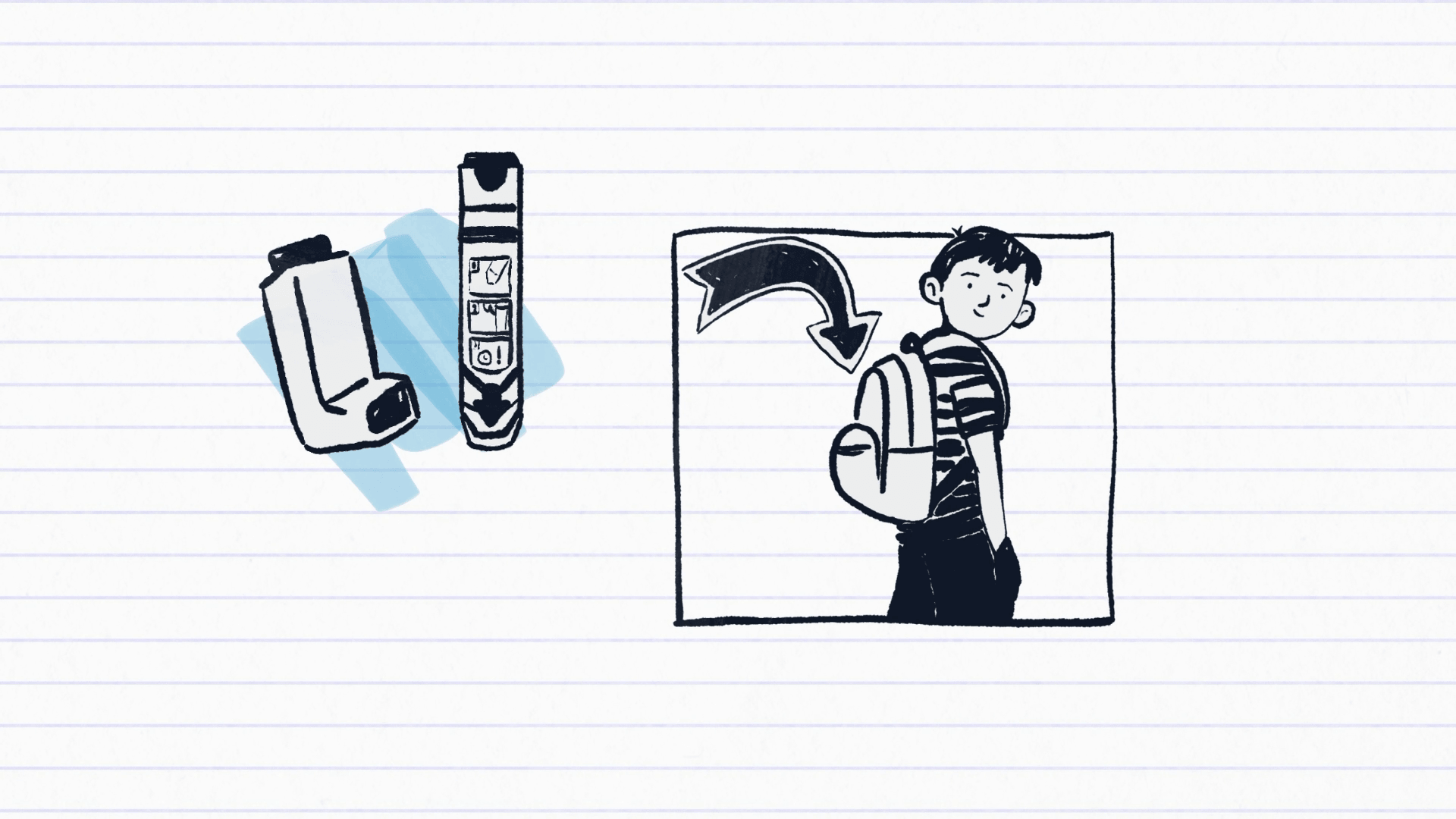
Section 2
Here we discuss allergy management, histamine and antihistamine, as well as the importance of avoiding allergens and having an Individual Healthcare Plan. We also explain how to treat mild and moderate allergic reactions.
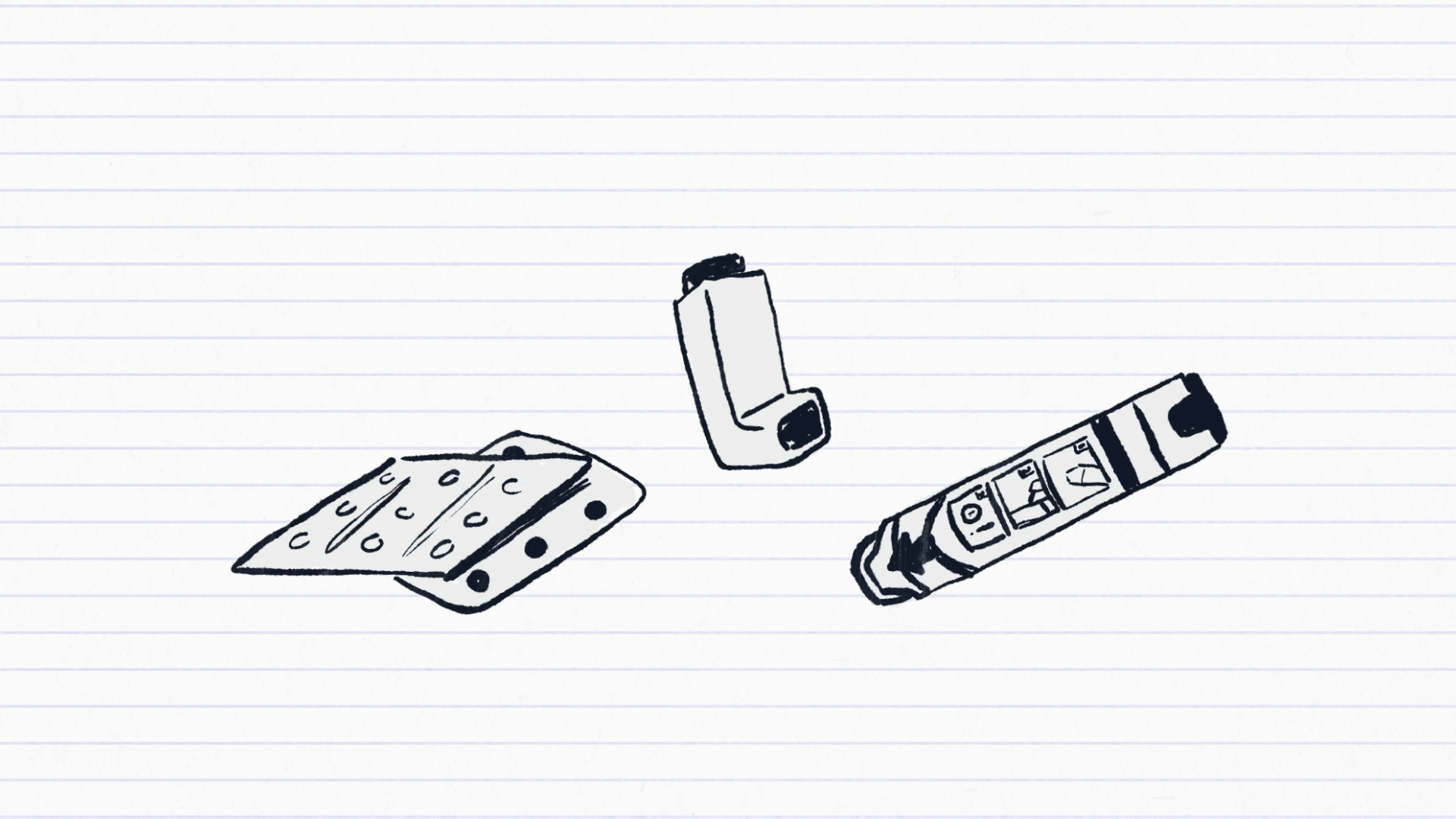
Section 3
This section comprehensively covers anaphylaxis and anaphylactic shock. We describe what it is, how to recognise it, and how to treat a child who has an anaphylactic episode. We explain the importance of adrenaline auto-injectors, how to administer them, and when. This section also contains an extensive emergency procedure, including the recovery position and CPR.

Section 4
In this section we discuss school policy and how to look after, store and carry medication. We also highlight staff responsibilities in the classroom, when cooking, at lunchtime, on school trips, and during exams and sports lessons.
About this course
Benedict Blythe was five years old when he died after an allergic reaction at his primary school in December 2021. His parents, working with the Benedict Blythe Foundation and charities including Allergy UK and Anaphylaxis UK, campaigned for allergy safety to become a legal responsibility for schools in England. Benedict’s Law is the result.
It was introduced through section 34 of the Children’s Wellbeing and Schools Act 2026. From September 2026, local authority maintained schools, academies and pupil referral units in England must have and publish a dedicated allergy safety policy and have regard to the DfE’s statutory guidance, Allergy Safety in Schools. The guidance expects allergy awareness training for everyone on site when pupils are, including catering staff, supply staff, minibus drivers and club supervisors, and the Government has said it intends to make regular training a legal requirement through future regulations.
Our Allergy & Anaphylaxis Training course gives your whole team that shared understanding. It explains how allergies are triggered, how to recognise a reaction and what to do in an emergency. It also covers preventing exposure, working with Individual Healthcare Plans, and the practical and emotional support a child may need every day.
The course doesn’t replace first aid training, a child’s medical plan, or any clinical training a child’s individual healthcare support requires. It sits alongside them.
Looking for more training for school staff? Try our courses on Children with Diabetes, Children with Epilepsy, Children with Asthma and Medication Awareness Training for Schools.

Presented by
Other people also bought
Available in 40 languages
All inclusive
Machine translated* content is included for free with all our popular courses
It covers LMS navigation, course transcripts and test questions. If you don’t see a course listed in the language you require, just let us know.
*Content which is not English may be machine translated and is for assistive purposes only. We cannot guarantee the accuracy of translations.
Our most popular languages
Anaphylaxis & Allergy Training certificate
Download and print
Each of our courses ends with a multiple-choice test to measure your knowledge of the material.
This Allergy & Anaphylaxis Training for Nurses, Carers and Schools course concludes with a 15-question multiple choice test with a printable certificate. In addition, brief in-course questionnaires guide the user through the sections of the training and are designed to reinforce learning and ensure maximum user engagement throughout.
As well as printable user certificates, training progress and results are all stored centrally in your LMS (Learning Management System) and can be accessed any time to reprint certificates, check and set pass marks and act as proof of a commitment to ongoing legal compliance.
What does my certificate include?
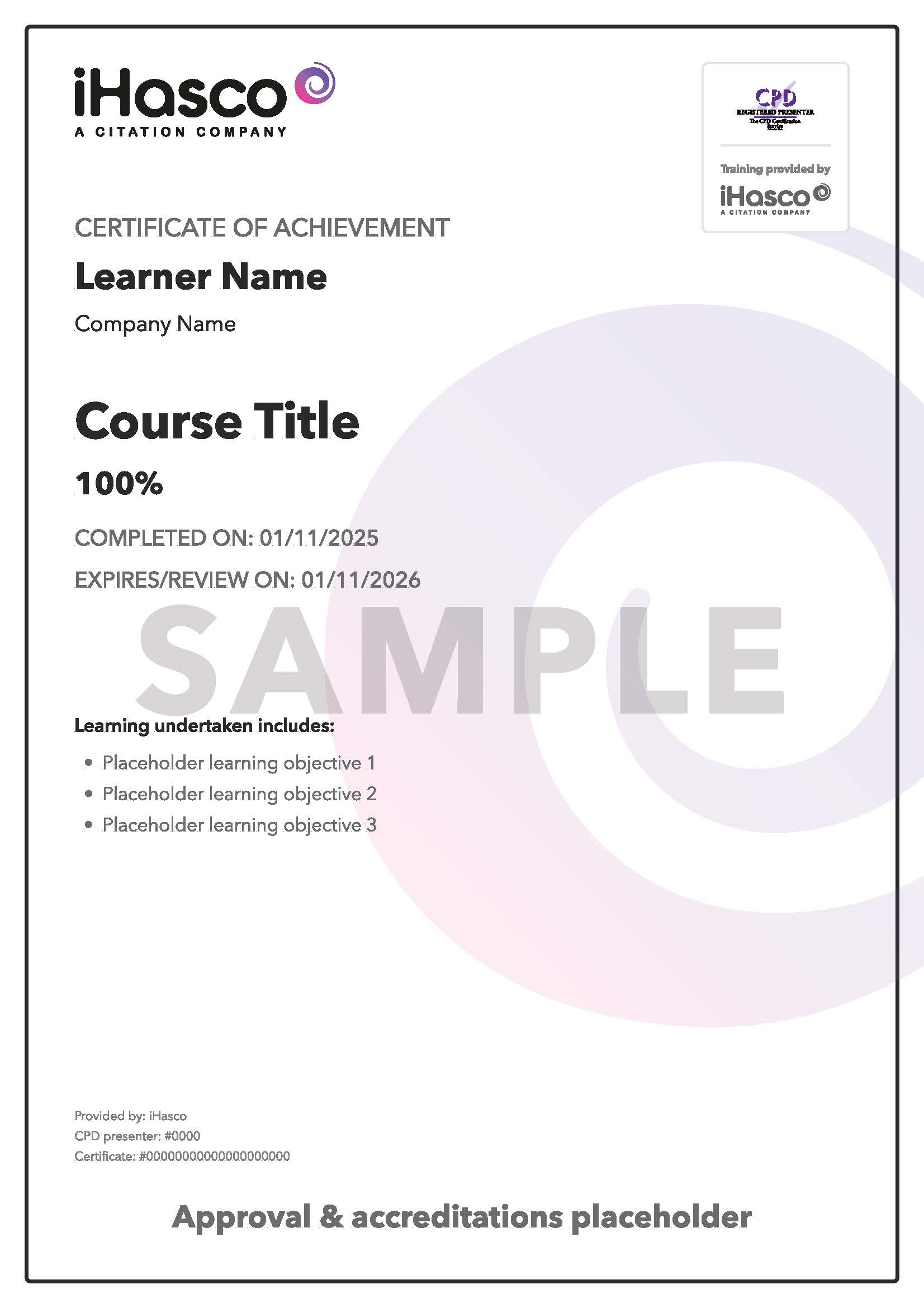
Your Anaphylaxis and Allergy Training Certificate includes your name, company name (if applicable), name of course taken, pass percentage, completion date, expiry date and stamps of approval or accreditations by recognised authorities.
Please note if you are using our course content via SCORM in a third party LMS then we are unable to provide certificates and you will need to generate these in your host LMS yourself.
320 real user reviews
4.8
out of 5
Loading reviews…
The training is thorough
This user gave this course a rating of 5/5 stars
Very informative and clear
This user gave this course a rating of 5/5 stars
easy to follow course, well planned, linked the video's
Easy to follow course, well planned, linked the video's
Questions throughout the training videos.
I thought the training was effective and I particularly liked the questions throughout the training to deepen understanding before the actual test.
very user friendly
enjoyed this was easy to access
very user friendly
enjoyed this was easy to access
Clarity, ease of access.
This user gave this course a rating of 5/5 stars
informative
however i do not feel comfortable administering any medical first aid and would only attempt in extreme life or death situation.
Why is this training important?
Compliance
It’s important that you comply with the law and know the ways in which it affects you and the way you work.
Benedict’s Law makes allergy safety a whole-school responsibility in England. Local authority maintained schools, academies and pupil referral units must now have and publish a dedicated allergy safety policy, and have regard to the DfE’s statutory guidance, Allergy Safety in Schools. Ofsted inspectors will consider the policy, and how well it works in practice, as part of their safeguarding evidence.
The guidance expects regular allergy awareness training for all staff who are on site when pupils are, along with spare adrenaline auto-injectors, a named senior leader for allergy safety and recorded incidents and near misses. The Government intends to make several of these legal requirements through future regulations. Independent schools and non-maintained special schools aren’t covered yet, and early years settings and colleges can use the guidance as good practice.
This course covers allergy awareness, emergency response and the school’s role in keeping children safe, so your staff know what the guidance expects of them. It focuses on maintaining children’s health, safety and wellbeing.
Allergy & anaphylaxis training FAQs
-
Benedict’s Law is the name for reforms that make allergy safety a formal, whole-school responsibility in schools in England. It was introduced through section 34 of the Children’s Wellbeing and Schools Act 2026 and is named after Benedict Blythe, who died in 2021 after an allergic reaction at school.
-
It applies to local authority maintained schools, academies and pupil referral units in England. Independent schools and non-maintained special schools aren’t covered yet, though the Government plans to introduce equivalent requirements. Early years settings and colleges can use the guidance as good practice.
-
The DfE’s statutory guidance expects regular allergy awareness training for all staff who are on site when pupils are, and says first aid training alone isn’t enough.
-
Everyone who might be first on the scene. That includes teachers, teaching assistants, catering staff, office staff, supply staff, minibus drivers and breakfast or after-school club supervisors, as well as first aiders.
-
The guidance expects it to be regular. The Government intends to require training at least annually through future regulations. Many schools already refresh it each year, so it’s worth building that into your calendar now.
-
The course takes 40 minutes and ends with a multiple-choice test and a printable certificate.
-
Yes, it’s CPD accredited and IIRSM approved.
-
No. It doesn’t replace first aid training, a child’s medical plan, or any clinical training or competency arrangements needed for a child’s individual healthcare support. It builds staff confidence and understanding alongside them.
-
An Individual Healthcare Plan is the school’s own plan for keeping a specific pupil safe and included day to day and in an emergency. An Allergy Action Plan is a clinical document from a healthcare professional with step-by-step emergency instructions, and it’s attached to the pupil’s plan rather than copied into it.
-
According to the NHS, anaphylaxis is a life-threatening allergic reaction that happens very quickly. It can be caused by food, medicine or insect stings.
Related articles


HR Compliance
Benedict's Law: What schools need to know ahead of September 2026
Last updated 12 Aug 2026


